about this project
Affordable homeownership is challenging whether you’re in a city or in a rural area. Rural areas, though, present a unique set of challenges that include access to water, sewer and dealing with stormwater. We aim to create a replicable development for affordable homeownership in rural areas through your help with this project.
We have a unique development, that we believe, can be replicated in other rural areas. We aim to acquire a 40 acre parcel that’s in a township. We have two sites that are options. One in Bridgewater Township and the other in Northfield Township (both are outside of the city limits of Northfield, MN). I have attached a sketch of the potential layout of the development.
WHY BUILD RURAL?
1. Simply put, land is more affordable. We typically see rural land in our area selling at 50K per acre. We can reasonably put 4-6 houses on that acre, making the cost of a lot $8,333 - $12,500. Infill lots in the Northfield area are selling for $85 – 140K!
2. Of course, rural land doesn’t come with infrastructure, but we believe we have an innovative, sustainable and affordable water/sewer infrastructure solution (described below).
3. Building outside of a city, particularly outside of Northfield, MN, will drive down the cost of taxes. A 1,200 square foot house in Northfield, MN, has 2026 taxes of $6,868. That same size house in the township has 2026 taxes of $3,022. That’s a game changer for our households!
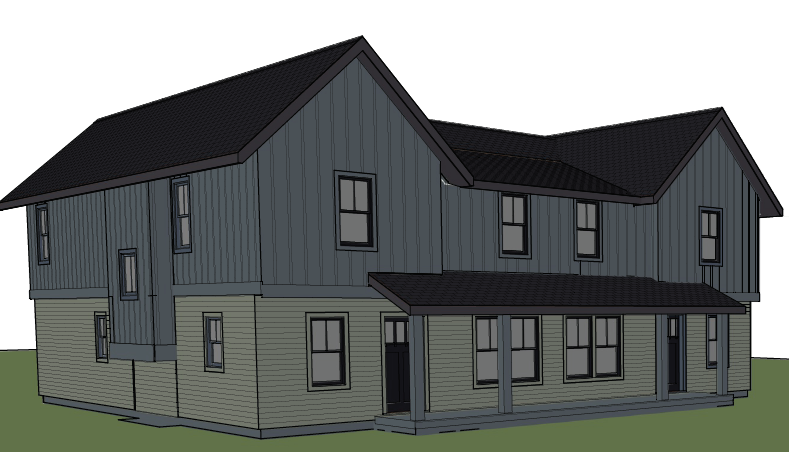
Our goal is to build 92 units of home ownership housing with a mixture of single family, duplexes, quads and potentially Accessory Dwelling Units. Of these units, twenty would be affordable to those at 120% of AMI and 72 would be affordable for people at or below 80% of Area Median Income. Our goal is to create a true mixed income community. Studies show that mixed-income housing developments are considered better than concentrated low-income or luxury-only projects because they create more inclusive, stable, and economically vibrant communities. By housing people from various financial backgrounds in the same area, these developments aim to dismantle the social and economic isolation caused by "concentrated poverty".
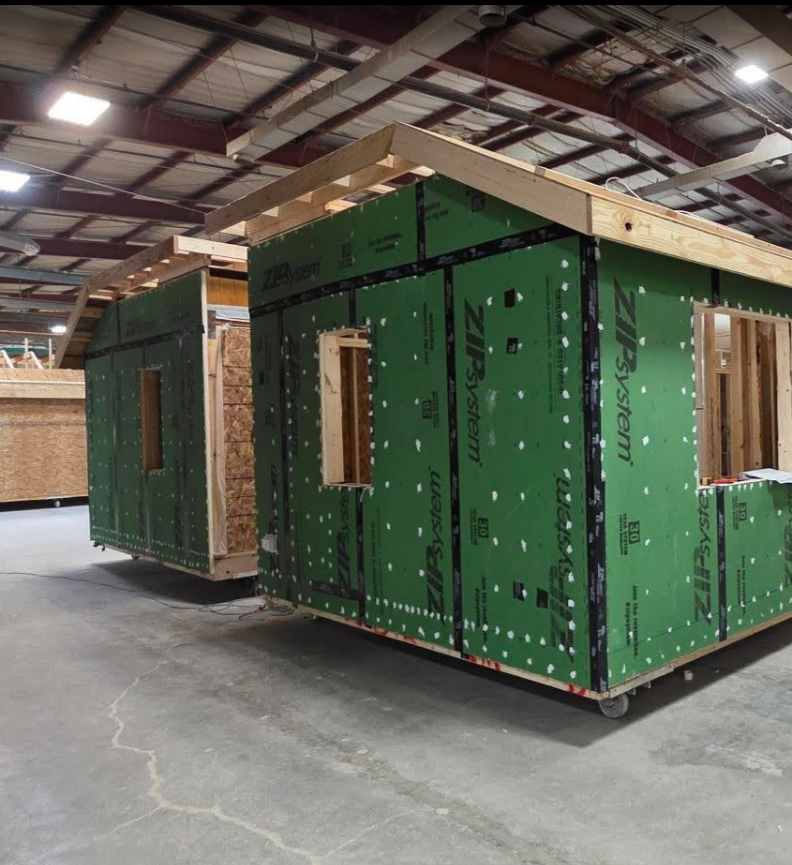
We will pull in local builders for the 20 units. Rice County Habitat for Humanity would build, in partnership with the modular builders, the rest of the units (72 homes) over seven years, building approximately 10 homes per year.
Rice County Habitat for Humanity, along with these partners, are driving this development:
1. Dynamic Homes (Tribal owned modular builder out of Detroit Lakes, MN)
2. GYF Custom Homes (builder that works with multiple modular home manufacturers out of Dayton, MN)
3. Kleese Construction (Kenyon, MN) for market rate homes
4. Rice County Housing and Redevelopment Authority
5. University of Minnesota Regional Sustainable Development Partnerships (RSDP)
6. TEN (The Energy Network)
What’s unique about this project is our approach to the following elements of the development:
1. Stormwater Management Planning for Sustainable and Affordable Housing Development.
2. Building a stand-alone modular wastewater treatment pod, that includes water treatment and creating an onsite well.
3. Creating high performing energy efficient housing in a net-zero development
The first two points are the exciting pieces that are relevant to building in a rural area. The RSDP study (referenced below) concludes that the final implementation of this plan will serve as a model for rural communities considering similar developments for affordable housing.
STORMWATER MANAGEMENT PLANNING
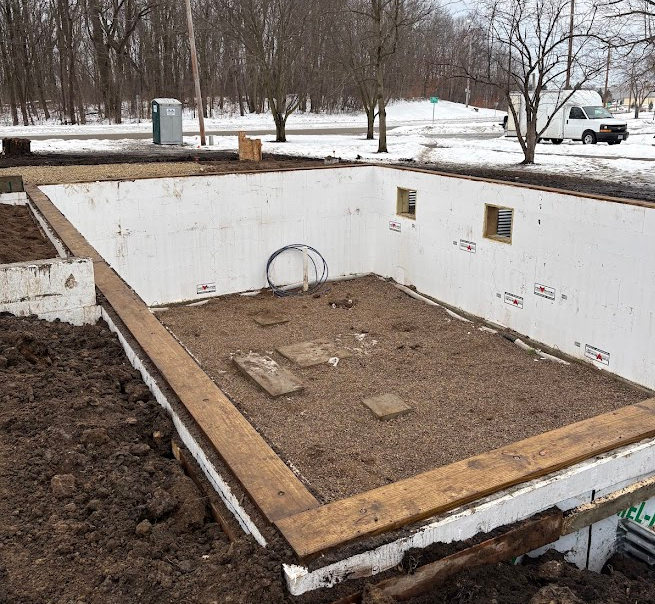
The University of Minnesota, in partnership with the Regional Sustainable Development Partnership (RSDP), conducted a study to recommend this innovative plan. This study is attached. The recommendations they made (summarized here) aims to integrate sustainable stormwater management practices into this development while balancing cost, performance, and feasibility. The final implementation will serve as a model for rural communities considering similar developments. Stormwater Control Measures are engineered practices designed to manage the quantity and quality of stormwater runoff. They reduce the impact of impervious surfaces by promoting infiltration, storage or reuse of stormwater. For this project we would include rain gardens, tree trenches, permeable pavement, dry swales and rainwater harvesting/reuse with a cistern system. These methods were chosen to balance performance, feasibility and long-term benefits in the context of a sustainable affordable housing development.
STAND-ALONE MODULAR WASTE WATER TREATMENT SYSTEM
In this development, we will not be connecting to any city’s water/sewer system. Instead, there would be a well and a modular waste water treatment system. Initial research has brought us to use Aspiral. Aspiral is a smart, containerized wastewater treatment solution based on the Membrane Aerated Biofilm Reactor (MABR) technology. This technology is an innovative, well-validated technology for low-energy treatment of municipal wastewater. This system can efficiently serve a residential community of the size of our development. A brochure about Aspiral is attached. Here is a link to a similar system utilized in Dow City, Iowa: https://www.fluencecorp.com/case/dow-city-lagoon-upgrade/
ENERGY EFFICIENT HOMES in a NET ZERO DEVELOPMENT
Rice County Habitat for Humanity has typically built single family homes from the ground up. We build energy efficient homes that meet and exceed the highest ratings from RESNET’s HERS standards. With that method, we can build about six houses a year with our model of utilizing volunteers. BUT, we want to do more homes so we’ve looked at modular builders to increase our capacity, while still keeping the costs affordable and still achieving the high energy ratings that we desire. It appears that energy efficiency has not been a high priority for modular home builders in MN. Several claim to meet the HUD energy standard, but, that’s not a high enough standard for us. Dynamic Homes, which is owned by the Winnebago Tribe of Nebraska and is based out of Detroit Lakes, MN, is the only modular builder who was willing to customize building practices to meet our energy goals. We have done one modular home in Northfield with Dynamic Homes. We have also connected with GYF Custom Homes who has relationships with other modular builders who have recently said they would like to reach that same high energy standard so we are pursing a partnership with them. Building energy efficient homes is not only the right thing to do environmentally, but, it keeps utility costs lower for the household. When we are building affordable homeownership opportunities, we want the home to be affordable over the lifetime. Keeping utility costs (and taxes) lower are critical. We aim to have this development be a net zero development and all houses shall meet that standard.
We would meet the DOE (Department of Energy) Efficient New Homes (formerly Zero Energy Ready Homes) program, which certifies homes to be 40-50% more efficient than standard construction. We are currently meeting that standard through Xcel’s New Home Efficiency program.
Building affordable, energy efficient housing in Minnesota is particularly challenging. This project would be the first in the state with a stand-alone solution to provide a sewer, water and storm water system to a new neighborhood. We believe this will be a replicable model for the state, particularly rural areas.
Additionally, we are looking at adding battery back up for solar and working with Xcel on their new solar battery backup initiative. Further, we are exploring using a district geothermal system.
THE NEED FOR AFFORDABLE HOUSING
Everywhere you turn you see the need for affordable housing. We believe that this project will benefit the entirety of Rice County, MN. This development will provide real workforce housing which will support our employers and school district throughout Rice County.
A 2024 Rice County housing study revealed the following:
· Rice County residents have a lower median household income than the State of MN overall
· Compared to MN, a higher percentage of Rice County households have incomes below $50,000
· Forty-five percent of Rice County’s households are cost burdened (meaning they pay more than 30% of their income on housing).
Additionally, a 2024 Northfield housing study identified a demand of nearly 1,344 new housing units to 2035.
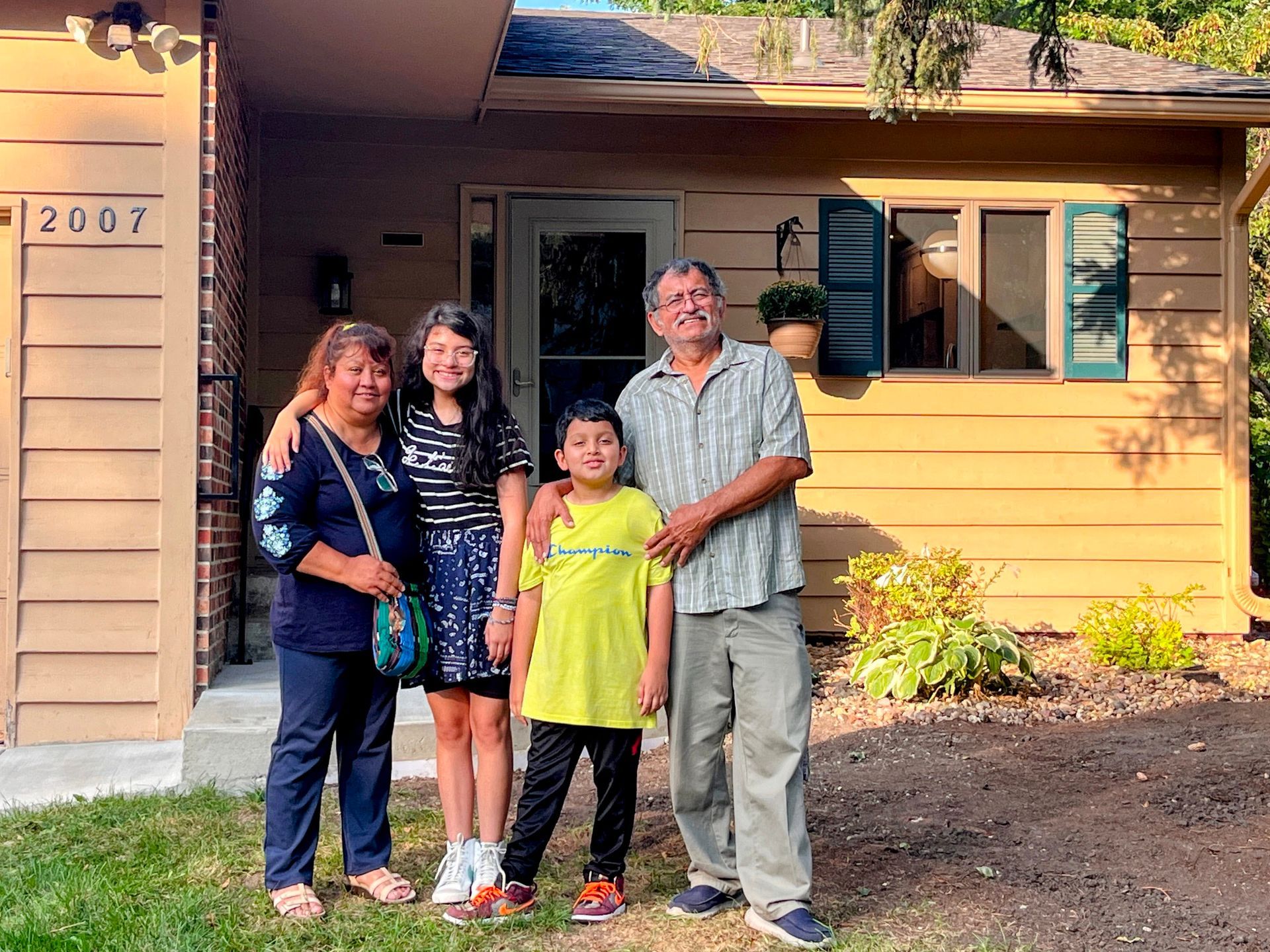
Rice County Habitat for Humanity is a proven builder in our community. We have built 20 new units of housing over the last four years in Rice County. That’s 27 adults and 72 children (99 people) who now have safe, decent and affordable homes. We are masters at putting together financing packages with homeowners to ensure the mortgage is affordable. We partner with the following agencies regularly to provide mortgages and Down Payment Assistance:
1. USDA Rural Development 502 program
2. Minnesota Housing Finance Agency for Down Payment Assistance
3. Rice County to utilize the Section 8 homeownership voucher for some households
4. Habitat Minnesota for Down Payment Assistance
We also have a proven track record of building relationships with partners to help keep the costs of construction down. Year after year we utilize the following:
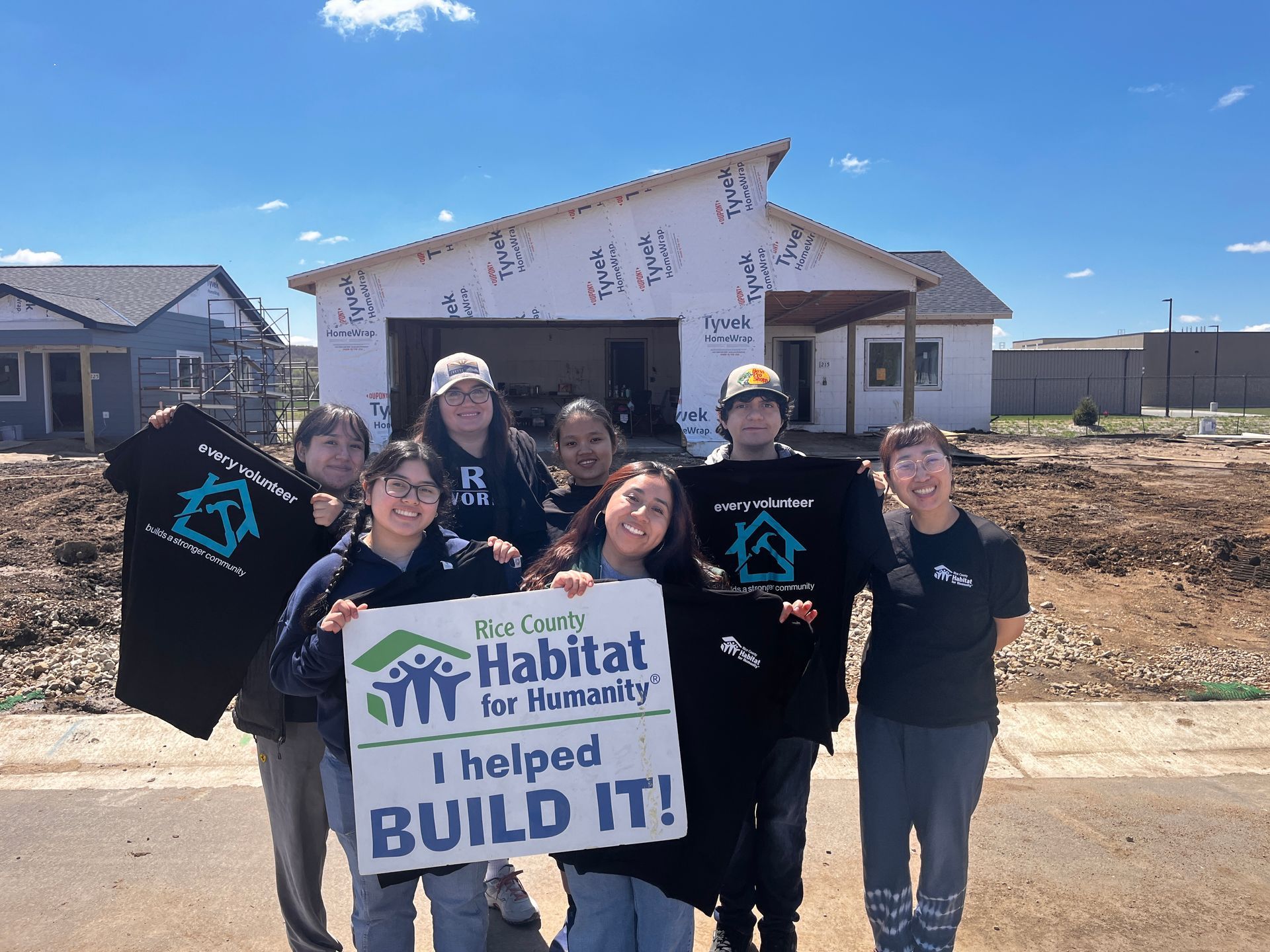
1. Volunteers. In 2025 we had 9,282 volunteer hours contributed to our mission of building safe, decent and affordable homes. These volunteers come from business, our faith community and civic organizations.
2. Colleges. We have three colleges in Rice County and all three are engaged.
a. South Central College’s carpentry class has taken on the project of building one of our houses over the last several years. We believe this plays a critical role in training young people to get into the trades as a profession.
b. Carleton College has, over the years, sent many groups to our build sites. This year, we’re exploring a more intentional partnership with a professor who is doing some building sciences work in his curriculum and would like students to be on the build site as part of the curriculum.
c. St. Olaf College has also, over the years, sent many groups to our build sites. We have students from St. Olaf who regularly volunteer on site and are a part of our committees.
3. Sub-contractors. We have a committed group of sub-contractors who work with us and provide affordable services. In particular is our relationship with IBEW (International Brotherhood of Electrical Workers). This incredible group provides the labor and materials for all of our houses. They use this opportunity as a training ground for students and apprentices. This is a critical partnership for which we are grateful.
BUDGET
Engineering 700,000 Seeking funds from CDS
Land 2,000,000 Seeking funds from CDS
Well 2,000,000 Seeking funds from CDS
Sewer/water treatment 1,000,000 Seeking funds from CDS
Stormwater Plan 4,125,000
Construction 35,075,000
TOTAL Project Cost 44,900,000
We are seeking $5,700,000 to cover the costs of engineering, land, well and sewer/water treatment. Our minimum request is $700,000 to cover the costs of engineering.
We have had preliminary positive talks with Rice County Commissioners and staff about utilizing TIF financing for infrastructure.
We are not seeking assistance for the construction of the homes. We are not seeking assistance for affordability gap or value gap for the construction of these homes. If we can get your support on the front end of the development, we believe, through the partnerships we have already established, we can keep these houses affordable.